




Dr. Alexandra Dubinksaya, Contributor, Urogynecologist, Reconstructive Pelvic Surgeon, and Sexual Medicine Specialist.
Let’s talk about something that’s incredibly common but not talked about enough: Genitourinary Syndrome of Menopause, or GSM. It might not roll off the tongue, but it affects millions of women—and chances are, you or someone you know is dealing with it. The good news? There are ways to manage it—and even thrive through it.
What Is GSM, Really?
GSM refers to a collection of symptoms and physical changes that affect the vulva, vagina, urethra, and bladder. It’s linked to a drop in estrogen and usually shows up during menopause, but not always. Unlike hot flashes, which usually fade with time, GSM symptoms tend to stick around—or even worsen—unless something is done about them.
When and Why Does GSM Happen?
Estrogen is the hormone that helps maintain the elasticity, thickness, and moisture of the vaginal and urinary tissues. When estrogen drops, those tissues can become thin, dry, and less flexible.
GSM is most commonly associated with:
-
Menopause and Perimenopause
-
Postpartum and Lactation (breastfeeding lowers estrogen)
-
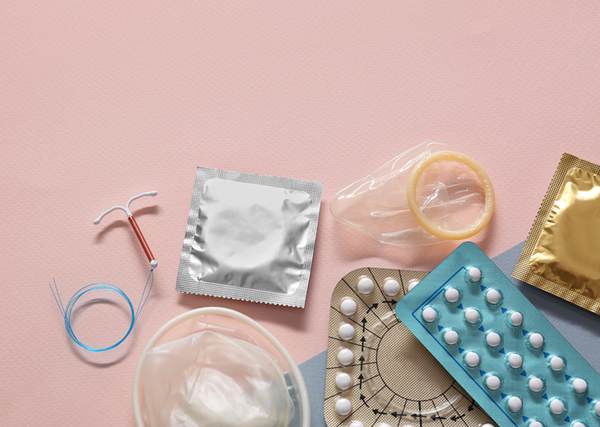
Certain Medications: Birth control, infertility and cancer treatments, and even some blood pressure medications can all impact estrogen levels..
-
Surgical Menopause: Removal of ovaries leads to a sudden drop in estrogen.
Common Symptoms of GSM
GSM can affect everyone a little differently, but common symptoms include:
-
Vaginal dryness
-
Burning or irritation
-
Pain during sex (dyspareunia)
-
Decreased libido
-
Urinary urgency or frequency
-
Increased risk of UTIs
-
Light bleeding or discomfort with exercise or sitting
These symptoms can seriously impact quality of life and relationships—but they’re not something you just have to live with.
What Can You Do About GSM?
Thankfully, there are many treatment options—both hormonal and non-hormonal—that can make a big difference.
Hormonal Options
-
Vaginal Estrogen: Creams, tablets, or rings that that give your body a boost of estrogen right where it’s needed.
-
DHEA (Prasterone): A vaginal insert that your body turns into estrogen and other helpful hormones.
-
Systemic Hormone Therapy: Pills, patches, or gels that treat full-body symptoms, including GSM.
Non-Hormonal Options
-
Vaginal Moisturizers: Keep tissues hydrated and can be used regularly.
-
Lubricants: Help reduce friction and discomfort during sex.
-
Pelvic Floor Therapy: Exercises and treatments that help strengthen and relax pelvic muscles.
-
Laser and Radiofrequency Treatments: Newer options that aim to refresh and heal vaginal tissues.
-
Vibration Therapy: Yes, really. Vibrators aren’t just for pleasure—they can help improve blood flow, stimulate nerves, and promote tissue health. Think of it as physical therapy with a side of fun.
What the Experts Say
In 2024, the American Urological Association (AUA) released updated guidelines on GSM—highlighting how important it is to recognize, diagnose, and treat this condition. These guidelines reinforce what many of us in the field have known for years: GSM is real, it’s treatable, and patients deserve comprehensive care options.
Meet Sensera: The Smart Tool for Pelvic Wellness
Sensera is a next-generation pelvic wellness device that uses gentle vibration and AI-powered sensors to support vaginal health. It’s designed to help women reconnect with their bodies, improve comfort during intimacy, and even support natural lubrication. Whether you’re dealing with dryness, discomfort, or just want a proactive approach to pelvic health, Sensera is a powerful, hormone-free option.
Final Thoughts
GSM might be a natural part of the aging process, but that doesn’t mean you have to suffer through it. While not everyone experiences symptoms the same way, those who do often find them frustrating, painful, and disruptive. The good news? There are solutions—from hormone therapy to vibratory devices like Sensera—that can help restore comfort, confidence, and sexual wellness.
It’s time to talk openly about GSM, break the stigma, and make sure every woman knows her options.
